
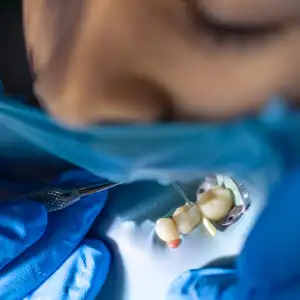
Getting your wisdom teeth removed is a common procedure, but understanding what the recovery looks like can help you prepare, heal comfortably, and get back to your normal routine faster. Whether you're experiencing pain, overcrowding, or impacted wisdom teeth, knowing what to expect during the healing process can make a big difference in your comfort and confidence.
In our previous blog, we shared important aftercare tips to follow once your wisdom teeth are removed. In this post, we’ll walk you through the stages of healing so you know what to expect during your recovery.
How the Recovery Timeline Works for Wisdom Teeth in San Francisco
The healing process depends on the type of extraction, your individual oral health, and how closely you follow your dentist’s post-operative instructions. This overview helps you understand the stages of recovery so you know what’s normal and when to expect improvements.
-
Immediately After Surgery (First 24 Hours)
The first day after your procedure is when you’ll experience the most swelling, tenderness, and bleeding. Your dentist or oral surgeon will send you home with gauze, aftercare instructions, and recommended medications. Rest is essential during this stage. Keep your head elevated, avoid rinsing vigorously, and stick to soft, cool foods such as yogurt or applesauce. If you choose oral sedation in San Francisco for your procedure, the grogginess may last several hours, so you’ll need someone to drive you home and stay with you initially.
-
Days 2–3: Managing Swelling and Discomfort
Most patients notice the highest amount of swelling on days two or three after surgery. Applying ice packs in 20-minute intervals and staying on top of your prescribed medications will help minimize discomfort. You may notice bruising near your jaw or cheeks—this is normal and usually fades quickly. During this time, avoid strenuous exercise, spicy foods, and anything that requires excessive chewing. Proper hydration is also key to speeding up recovery.
-
Days 4–7: Steady Improvements
By the fourth day, most patients begin noticing a significant decrease in pain and swelling. Many people feel comfortable returning to school or work at this point, especially if their job doesn’t require physical activity. You can begin incorporating more soft foods such as pasta, scrambled eggs, and smoothies—but avoid using a straw, as suction can dislodge the blood clot and lead to dry socket. Continue gently brushing your teeth and start warm salt-water rinses to keep the extraction area clean.
-
One Week and Beyond
Most people are 70–80% healed by the end of the first week. Any mild pain or tightness in the jaw joints is normal and should continue to improve. Stitches, if present, often dissolve on their own during this time. Full healing inside the extraction sites can take several weeks, but day-to-day comfort usually returns quickly. Your dentist will schedule a follow-up appointment to ensure proper healing and address any lingering concerns.
-
Long-Term Healing and Care
Recovery varies from person to person, especially depending on whether your wisdom teeth were impacted. Maintaining excellent oral hygiene, avoiding smoking, and following your dentist’s aftercare instructions will significantly reduce complications. If your dentist notices bone loss or missing teeth during your visit, they may discuss long-term solutions such as dental implants in San Francisco, once healing is complete. This isn’t connected to wisdom tooth extraction itself, but it supports long-term oral health.
Conclusion
Recovering from wisdom tooth removal is a straightforward process when you understand the timeline and follow proper aftercare. Most patients seeking care for wisdom teeth in San Francisco heal quickly and comfortably with the right guidance. If you’re preparing for a tooth extraction or have questions about your recovery, you can reach out for support at 415-318-1818 .
 Dental Implants
 Teeth In An Hour
 Bone Grafting
 Wisdom Teeth
 Facial Trauma
 Other Services
